How Concrete Testing Machines and Pulse Velocity Tests Work Together

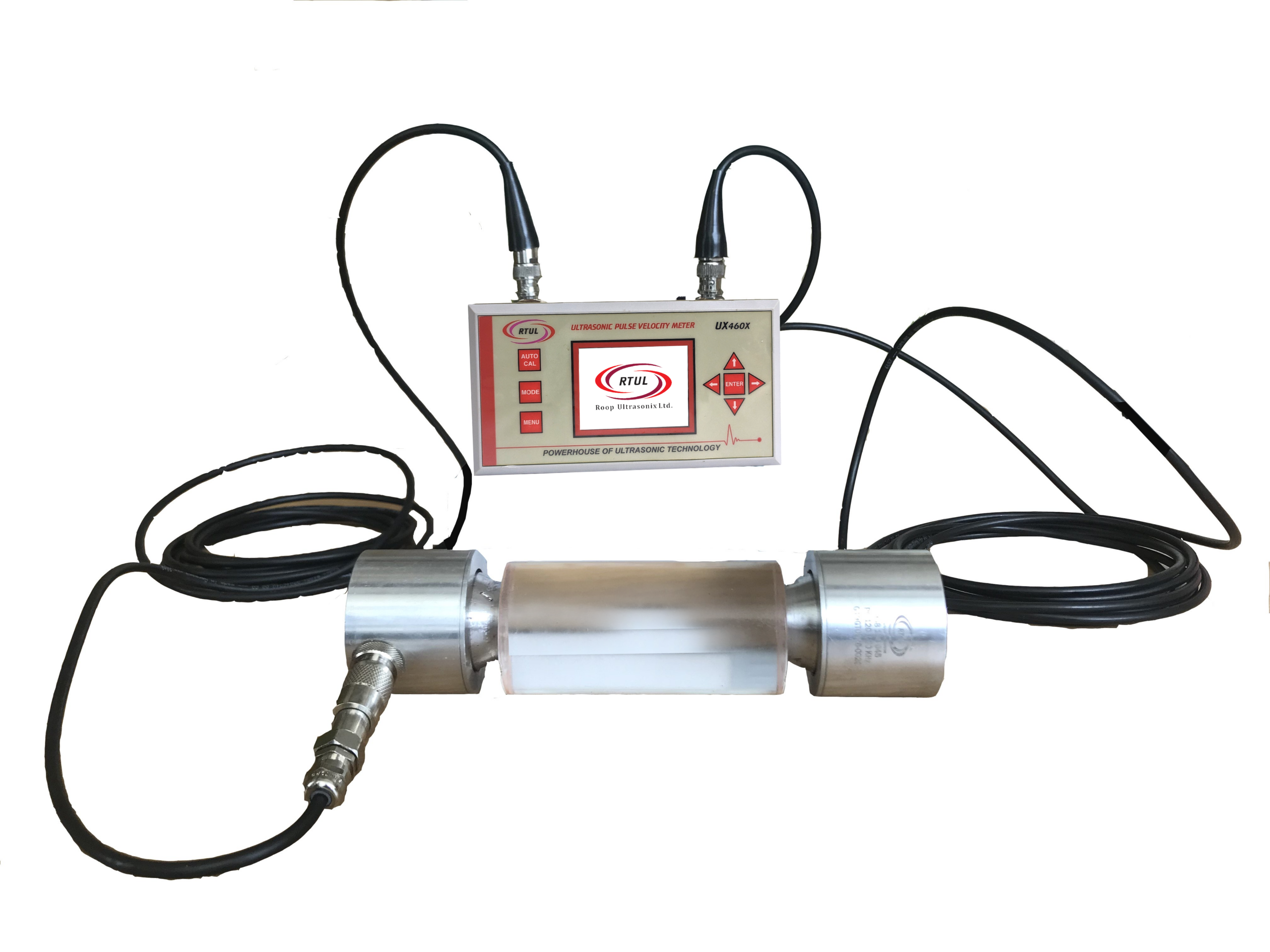
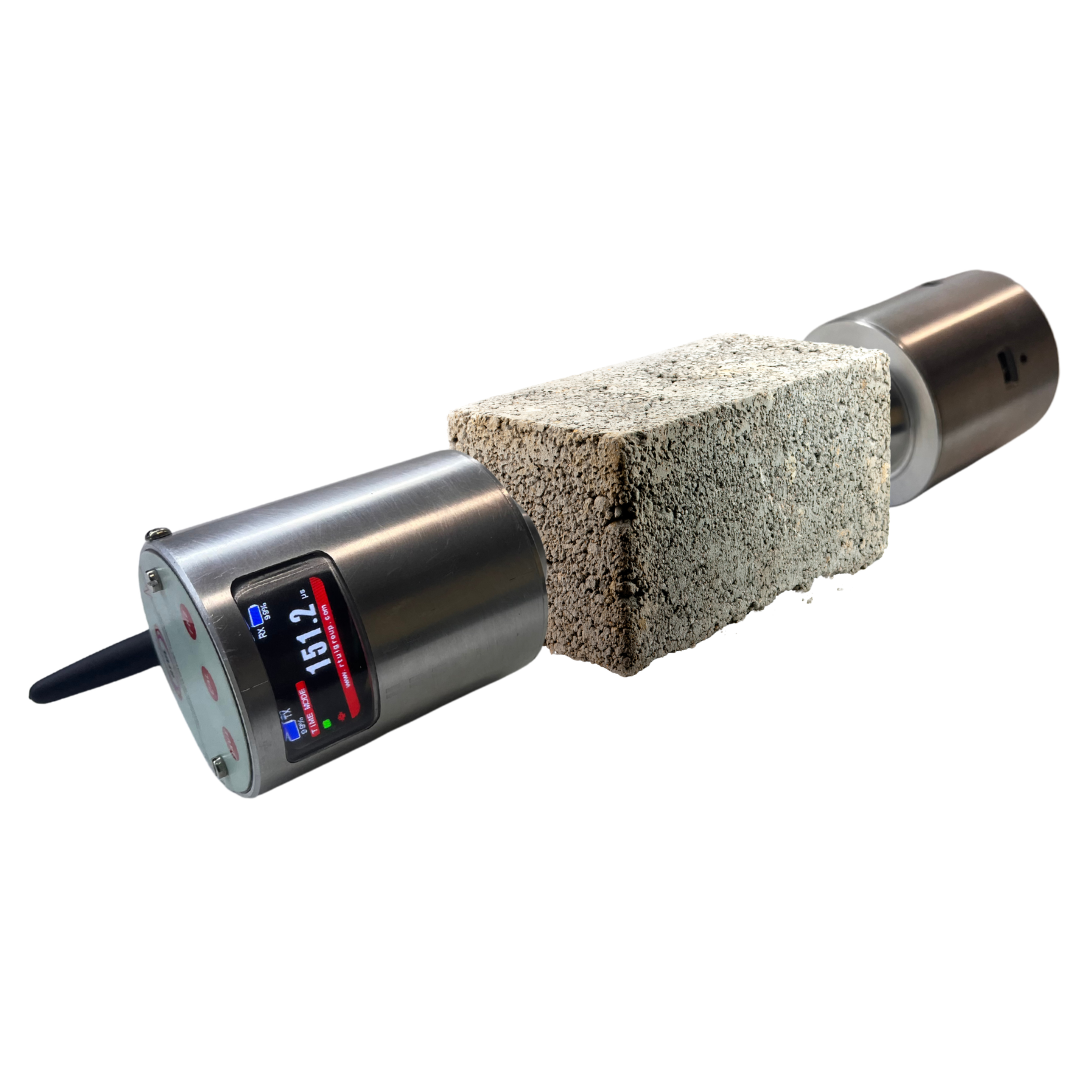
Ensuring the structural integrity of concrete is one of the most critical responsibilities in construction and civil engineering. RTUL Group, a specialist in non-destructive testing solutions, offers ultrasonic concrete testing instruments that allow engineers and construction professionals to assess concrete quality accurately without causing any damage to the structure being tested. Understanding how a concrete testing machine and a pulse velocity test of concrete complement each other can sig...

- Read More

Concrete Strength Isn’t Always Visible: How Ultrasonic Pulse Velocity (UPV) Testing Helps Engineers Detect Hidden Structural Defects

Concrete structures often appear sound from the outside, but hidden defects such as cracks, voids, honeycombing, and poor compaction can exist beneath the surface long before visible signs appear. For engineers, consultants, and infrastructure owners, the challenge is clear: How do you assess the internal condition of concrete without damaging the structure? This is where Ultrasonic Pulse Velocity (UPV) Testing has become one of the most widely trusted Non-Destructive Testing (NDT) methods. ...

- Read More

Why Modern Construction Quality Control Can No Longer Depend Only on Surface Inspection

In construction, the most critical defects are often the ones that remain invisible. A structure may look perfectly sound from the outside, yet internally it could already contain voids, honeycombing, weak concrete zones, microcracks, poor compaction, or early-stage deterioration. These hidden defects can silently compromise long-term structural integrity and eventually lead to costly repairs, project delays, safety concerns, and reputational damage. This is why modern construction quality con...

- Read More

How to Use an Ultrasonic Pulse Velocity Tester for Accurate Concrete Evaluation

Concrete may appear tough enough from afar; however, numerous problems with cracks, voids, honeycombing, poor areas, and other defects emerge deep inside it long before becoming visible to an unaided eye. This is the reason why precise concrete evaluation is crucial as well. Structure's integrity, reliability, longevity, and overall performance depend largely on its internal condition rather than appearance. Fortunately, this is precisely the problem that can be solved easily and reliably wit...

- Read More

Top 7 Benefits of Using an Ultrasonic Flaw Detector in Mineral Processing Plants

Mineral processing plants work under continuous mechanical stress, abrasive material and high production targets. Equipment failure is more than an inconvenience. It directly affects safety, compliance and profitability. This is where an ultrasonic flaw detector machine comes,into the picture. Ultrasonic testing employs high frequency sound waves, to detect internal cracks, voids and corrosion without damaging components. This technology is used in mineral plants throughout the USA and India ...

- Read More

Understanding the Pulse Velocity Test of Concrete and Why It Matters

Concrete is one of the most widely used construction materials in the world, known for its strength, durability, and versatility. However, ensuring the quality and structural integrity of concrete is essential for the safety and longevity of any construction project. One of the most reliable non-destructive methods used in construction testing is the pulse velocity test of concrete. This test helps engineers evaluate the internal condition of concrete without damaging the structure. Companies li...

- Read More