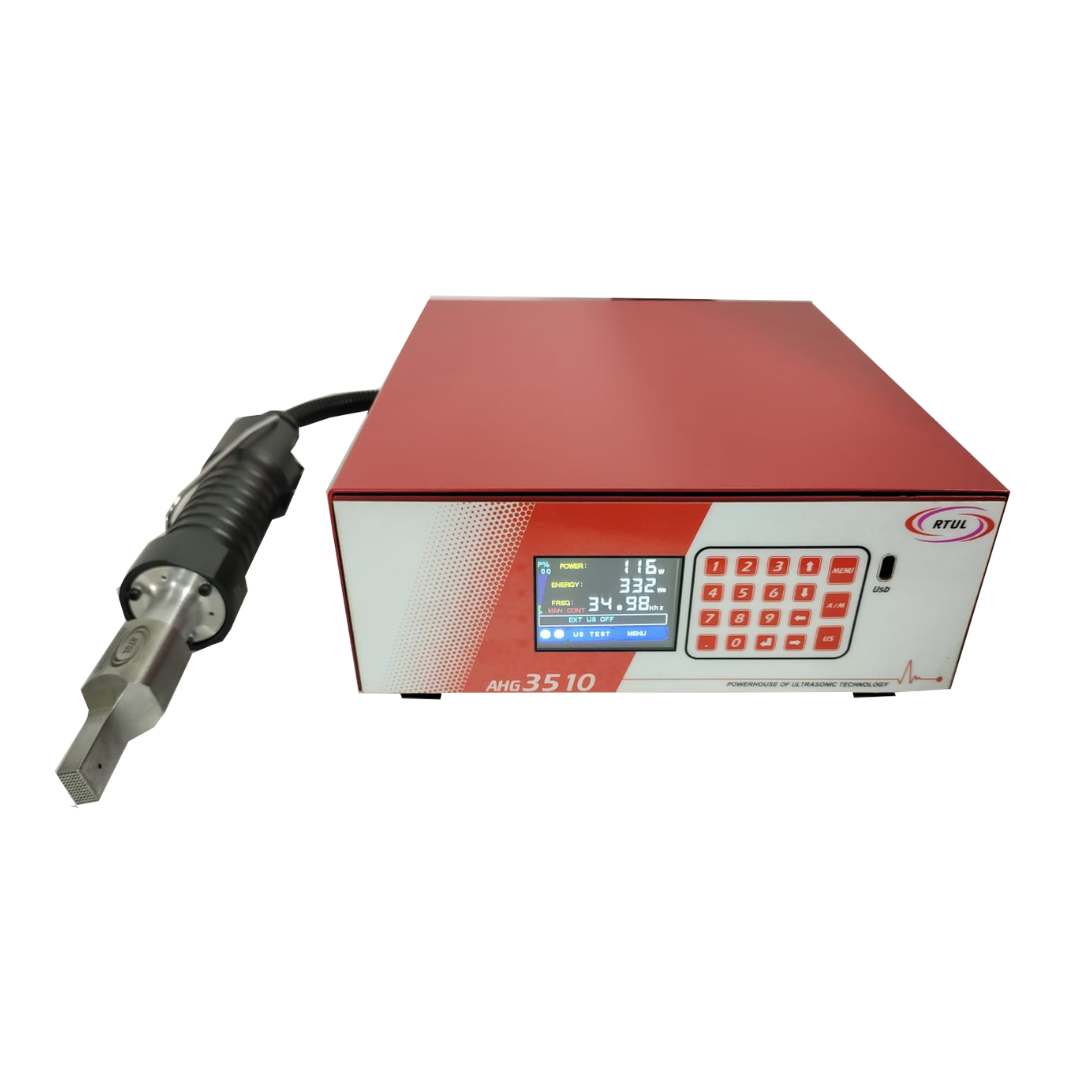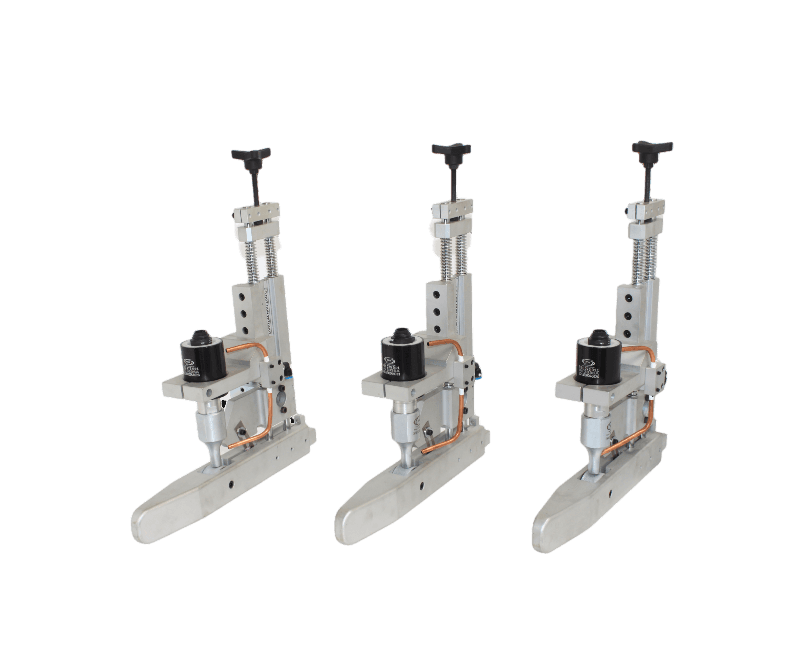
Deep Cleaning. Visible Results. Why Component Cleanliness Matters More Than Most Manufacturers Realize

In manufacturing, quality issues often begin long before a product reaches final inspection. A component may appear clean to the naked eye, yet microscopic contaminants such as oil residues, dust particles, metal fines, polishing compounds, and process debris can remain trapped on the surface or within complex geometries. While these contaminants may seem insignificant, they can directly impact product quality, assembly performance, coating adhesion, welding consistency, and overall reliabilit...

- Read More
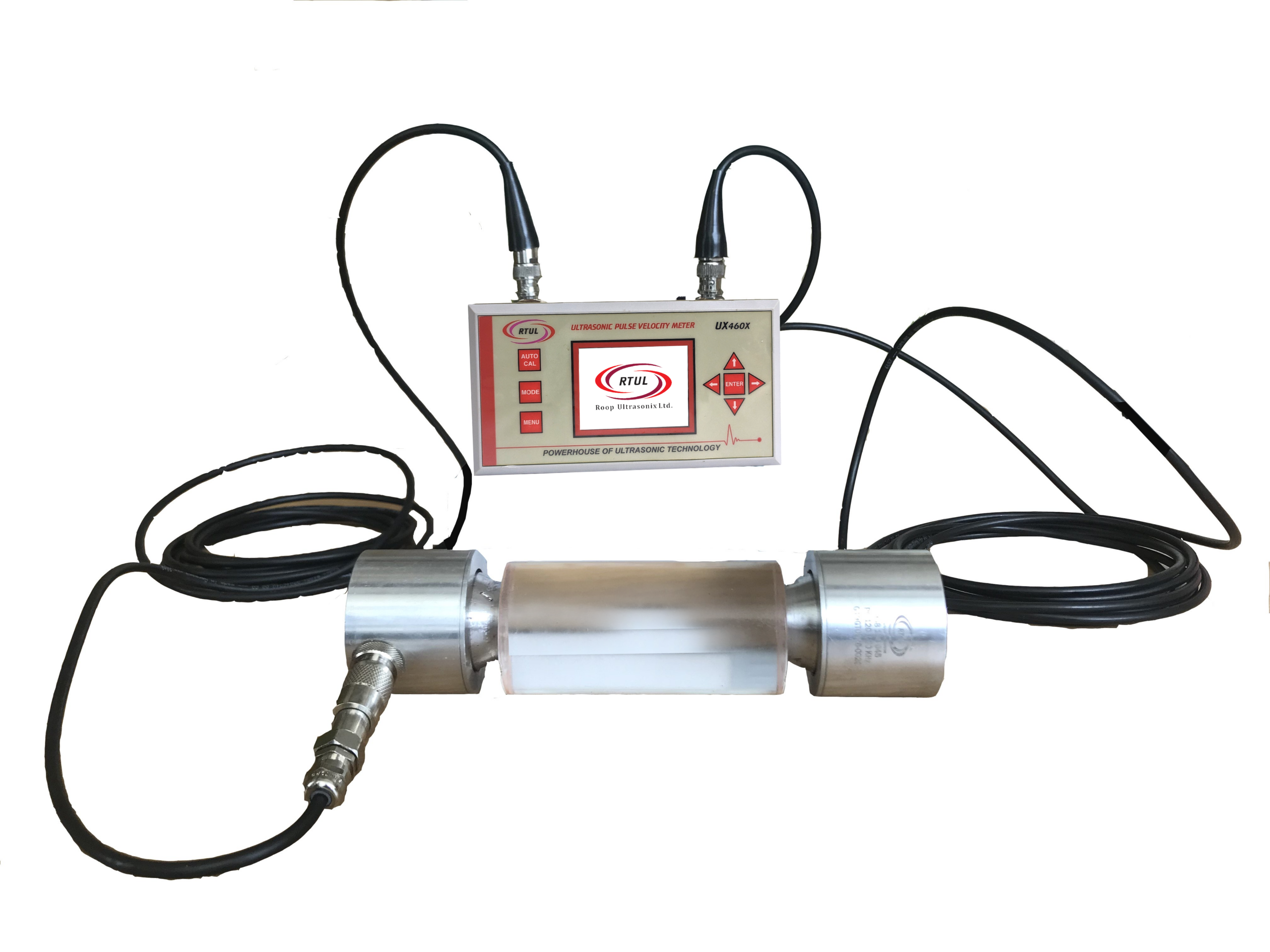
Concrete Strength Isn’t Always Visible: How Ultrasonic Pulse Velocity (UPV) Testing Helps Engineers Detect Hidden Structural Defects

Concrete structures often appear sound from the outside, but hidden defects such as cracks, voids, honeycombing, and poor compaction can exist beneath the surface long before visible signs appear. For engineers, consultants, and infrastructure owners, the challenge is clear: How do you assess the internal condition of concrete without damaging the structure? This is where Ultrasonic Pulse Velocity (UPV) Testing has become one of the most widely trusted Non-Destructive Testing (NDT) methods. ...

- Read More

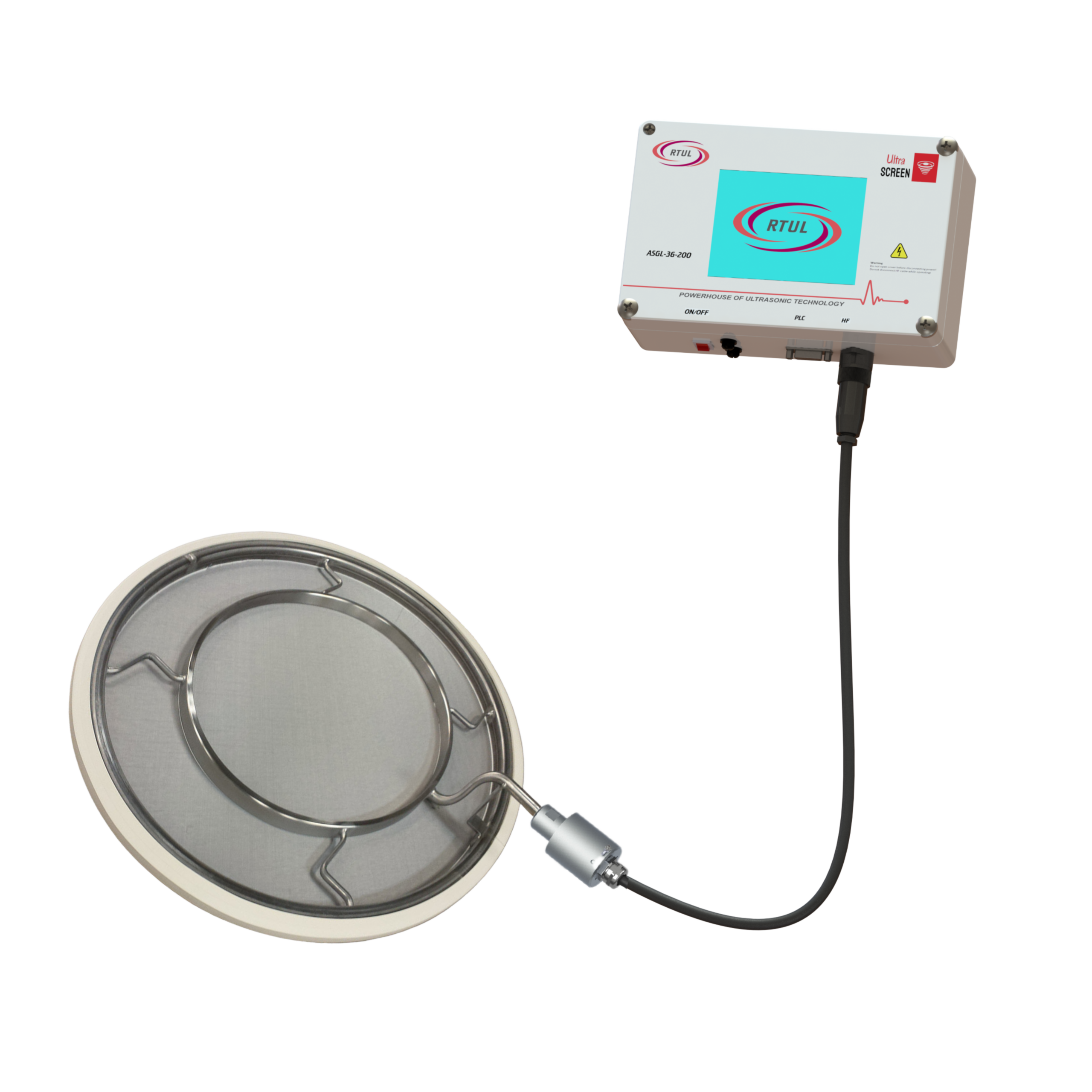
Why Fine Powders Blind Sieving Meshes and How Ultrasonic Technology Solves It

In powder processing industries, achieving consistent screening efficiency is critical for maintaining product quality and production throughput. Whether in pharmaceuticals, food processing, chemicals, ceramics, or battery materials, manufacturers often encounter a common challenge that impacts productivity and increases operational costs: mesh blinding. What is Mesh Blinding? Mesh blinding occurs when fine particles become lodged in the openings of a screening mesh, reducing the effective sc...

- Read More

Not All Plastics Weld the Same: Understanding Material Compatibility in Ultrasonic Welding

A common question in plastic assembly is: "If two plastics melt at similar temperatures, can they be ultrasonically welded together?" The answer is not always. Ultrasonic welding creates bonds by generating localized heat through high-frequency vibrations. But successful welding depends on more than heat alone. The materials being joined must also be chemically compatible. Consider Polypropylene (PP) and Polyethylene (PE). Both are widely used thermoplastics with similar appearances and physi...

- Read More

Your Fabric Isn’t the Problem. Your Cutting Process Might Be.

Every textile manufacturer has encountered the same frustrating challenges: Frayed edges Inconsistent cuts Excessive material wastage Frequent blade replacements Unplanned production downtime When these issues arise, the first reaction is often to question the quality of the fabric itself. But what if the fabric isn't the problem? What if the real bottleneck lies in the cutting technology being used? The Growing Demands of Modern Textile Manufacturing Today's textile in...

- Read More