Not All Plastics Weld the Same: Understanding Material Compatibility in Ultrasonic Welding

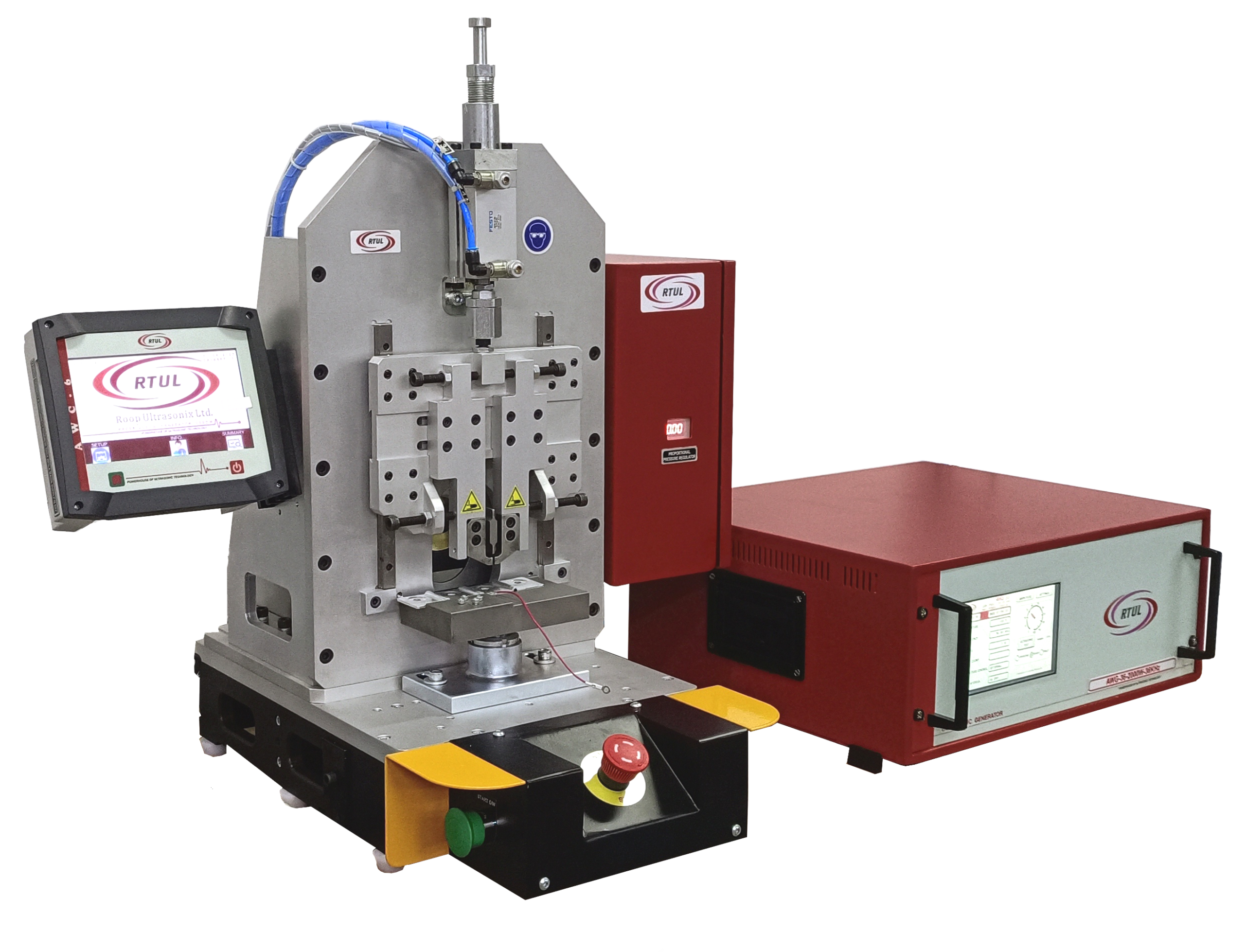
A common question in plastic assembly is: "If two plastics melt at similar temperatures, can they be ultrasonically welded together?" The answer is not always. Ultrasonic welding creates bonds by generating localized heat through high-frequency vibrations. But successful welding depends on more than heat alone. The materials being joined must also be chemically compatible. Consider Polypropylene (PP) and Polyethylene (PE). Both are widely used thermoplastics with similar appearances and physi...

- Read More

Your Fabric Isn’t the Problem. Your Cutting Process Might Be.

Every textile manufacturer has encountered the same frustrating challenges: Frayed edges Inconsistent cuts Excessive material wastage Frequent blade replacements Unplanned production downtime When these issues arise, the first reaction is often to question the quality of the fabric itself. But what if the fabric isn't the problem? What if the real bottleneck lies in the cutting technology being used? The Growing Demands of Modern Textile Manufacturing Today's textile in...

- Read More

Why Modern Construction Quality Control Can No Longer Depend Only on Surface Inspection

In construction, the most critical defects are often the ones that remain invisible. A structure may look perfectly sound from the outside, yet internally it could already contain voids, honeycombing, weak concrete zones, microcracks, poor compaction, or early-stage deterioration. These hidden defects can silently compromise long-term structural integrity and eventually lead to costly repairs, project delays, safety concerns, and reputational damage. This is why modern construction quality con...

- Read More

How Ultrasonic Cleaning Technology is Transforming Modern Industrial Cleaning

In modern manufacturing environments, precision is no longer optional. Industries today demand cleaner components, higher efficiency, reduced contamination, and reliable quality control across every stage of production. Traditional cleaning methods often struggle to remove microscopic contaminants, oil residues, carbon deposits, polishing compounds, and dirt particles from complex industrial components. This is where Ultrasonic Cleaning Technology is changing the way industries approach precisi...

- Read More

How to Use an Ultrasonic Pulse Velocity Tester for Accurate Concrete Evaluation

Concrete may appear tough enough from afar; however, numerous problems with cracks, voids, honeycombing, poor areas, and other defects emerge deep inside it long before becoming visible to an unaided eye. This is the reason why precise concrete evaluation is crucial as well. Structure's integrity, reliability, longevity, and overall performance depend largely on its internal condition rather than appearance. Fortunately, this is precisely the problem that can be solved easily and reliably wit...

- Read More