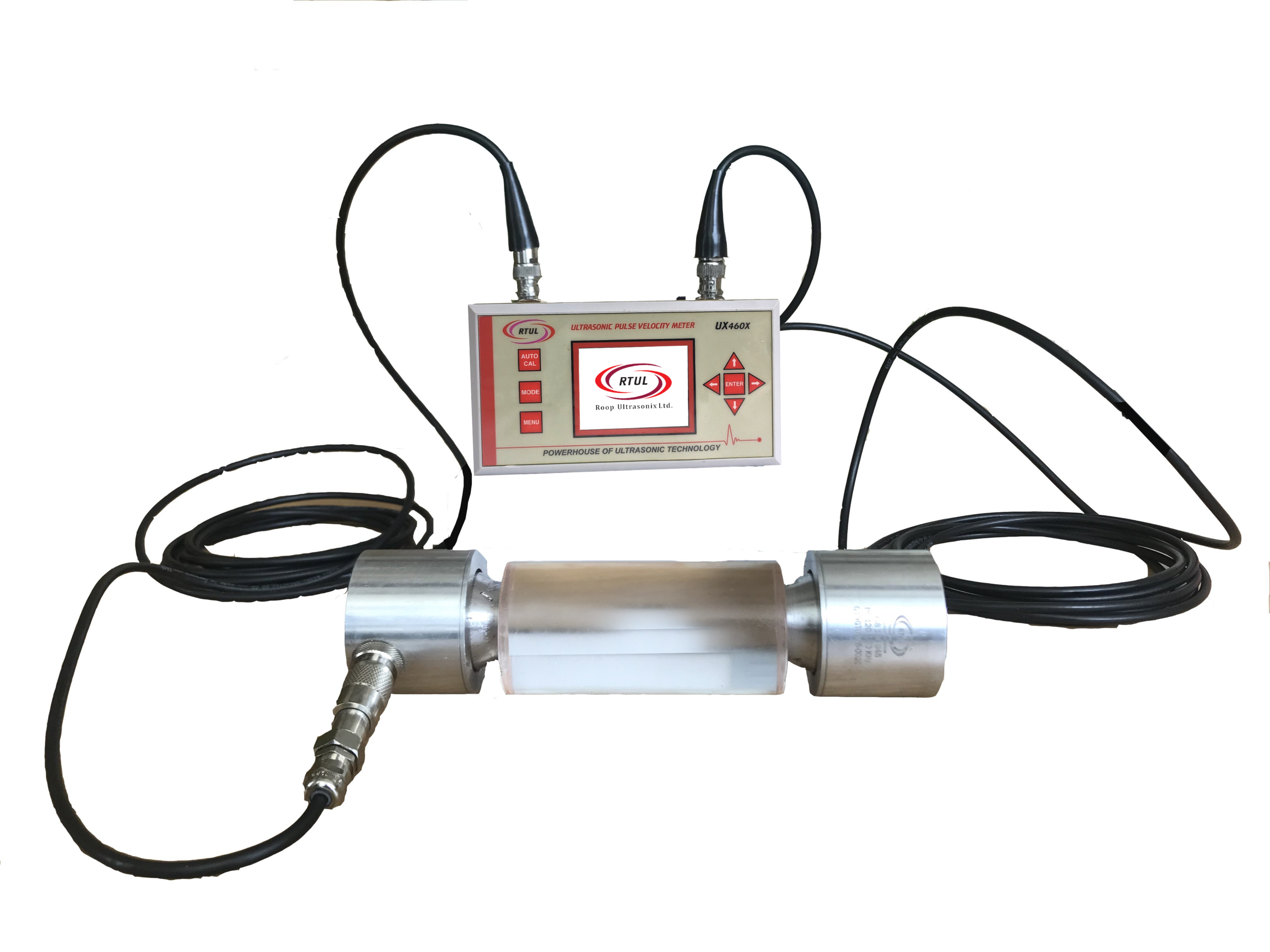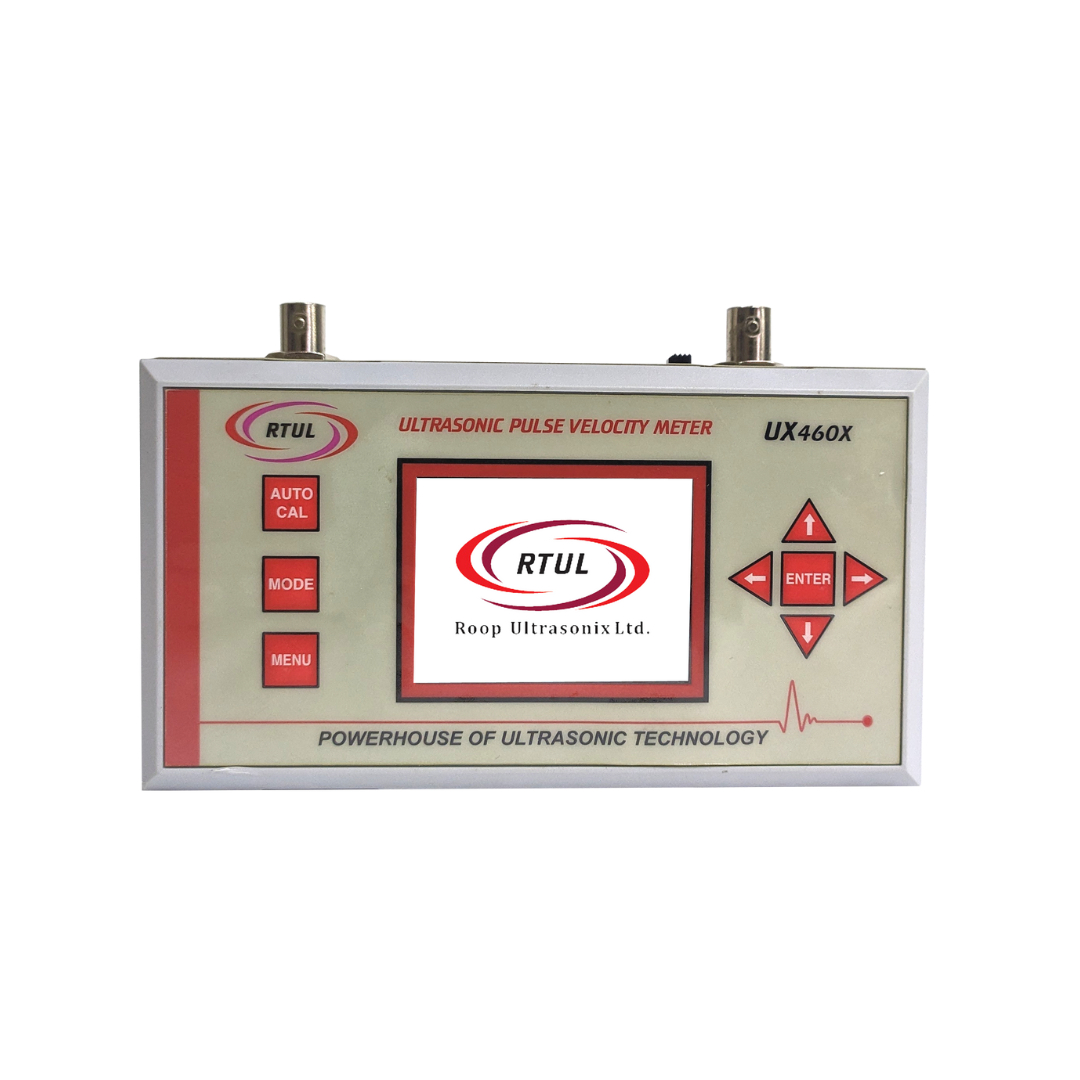
How Concrete Testing Machines and Pulse Velocity Tests Work Together

Ensuring the structural integrity of concrete is one of the most critical responsibilities in construction and civil engineering. RTUL Group, a specialist in non-destructive testing solutions, offers ultrasonic concrete testing instruments that allow engineers and construction professionals to assess concrete quality accurately without causing any damage to the structure being tested. Understanding how a concrete testing machine and a pulse velocity test of concrete complement each other can sig...

- Read More

Everything You Need to Know About Ultrasonic Plastic Welding

Plastic Joining Has Changed As plastic components become more complex, manufacturers are expected to produce stronger, cleaner, and more reliable assemblies while reducing production costs and cycle times. Whether it’s an automotive sensor housing, a medical device, an electronic enclosure, or leak-proof packaging, today’s manufacturing environment demands joining technologies that deliver precision, consistency, and speed. Traditional joining methods such as adhesives, screws, solv...

- Read More

How Ultrasonic Flaw Detectors Work And What to Consider Before You Buy One

When it comes to non-destructive testing for internal defects, ultrasonic testing stands out as the fastest and most reliable method available. RTUL Group, a leading manufacturer of ultrasonic technology solutions, offers portable ultrasonic flaw detectors designed to detect blow holes, porosity, inclusions, and all types of subsurface flaws — without damaging the material being tested. Understanding how these instruments work and what factors influence ultrasonicator price can help industries...

- Read More

Deep Cleaning. Visible Results. Why Component Cleanliness Matters More Than Most Manufacturers Realize

In manufacturing, quality issues often begin long before a product reaches final inspection. A component may appear clean to the naked eye, yet microscopic contaminants such as oil residues, dust particles, metal fines, polishing compounds, and process debris can remain trapped on the surface or within complex geometries. While these contaminants may seem insignificant, they can directly impact product quality, assembly performance, coating adhesion, welding consistency, and overall reliabilit...

- Read More

Concrete Strength Isn’t Always Visible: How Ultrasonic Pulse Velocity (UPV) Testing Helps Engineers Detect Hidden Structural Defects

Concrete structures often appear sound from the outside, but hidden defects such as cracks, voids, honeycombing, and poor compaction can exist beneath the surface long before visible signs appear. For engineers, consultants, and infrastructure owners, the challenge is clear: How do you assess the internal condition of concrete without damaging the structure? This is where Ultrasonic Pulse Velocity (UPV) Testing has become one of the most widely trusted Non-Destructive Testing (NDT) methods. ...

- Read More