6 Advantages of Ultrasonic Welding Generator in Modern Manufacturing

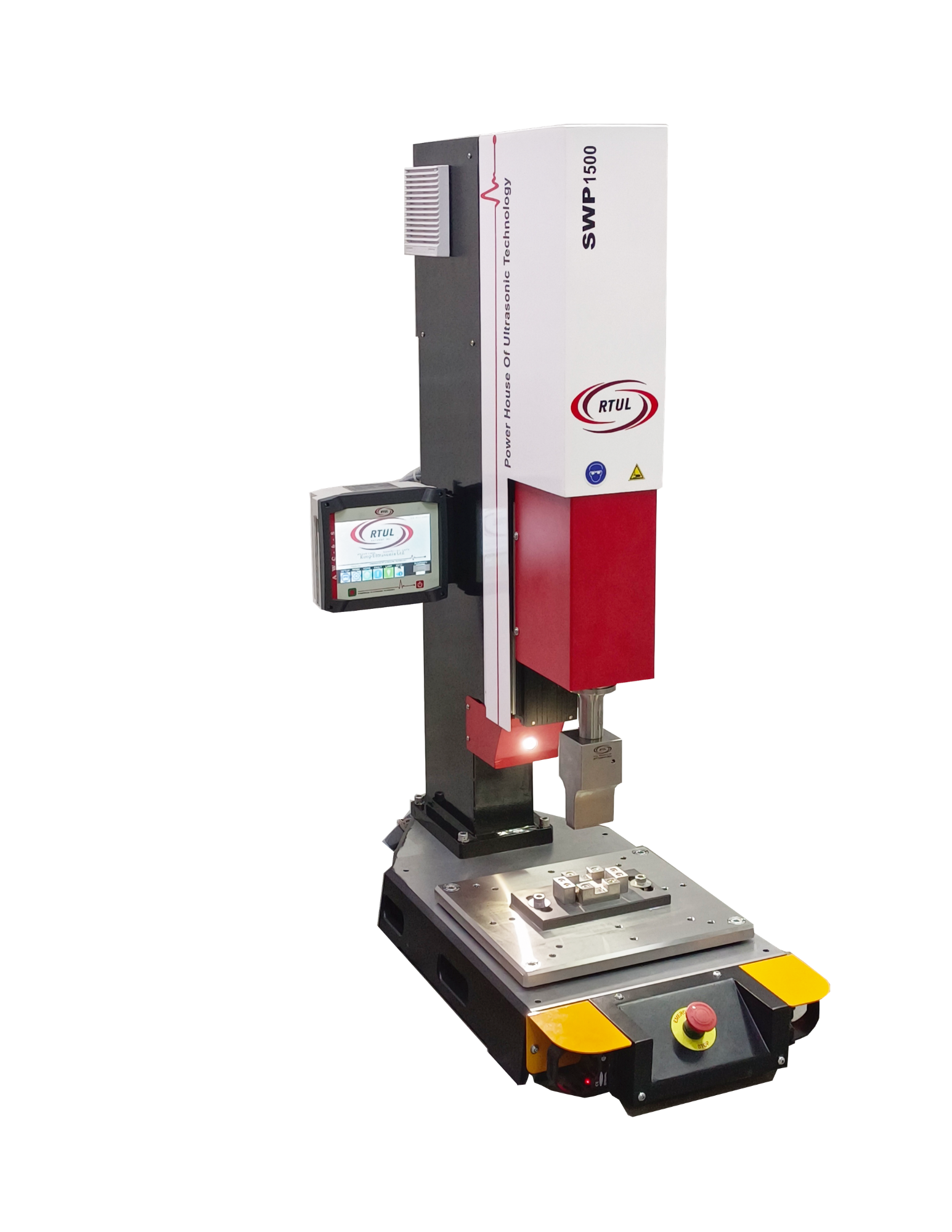
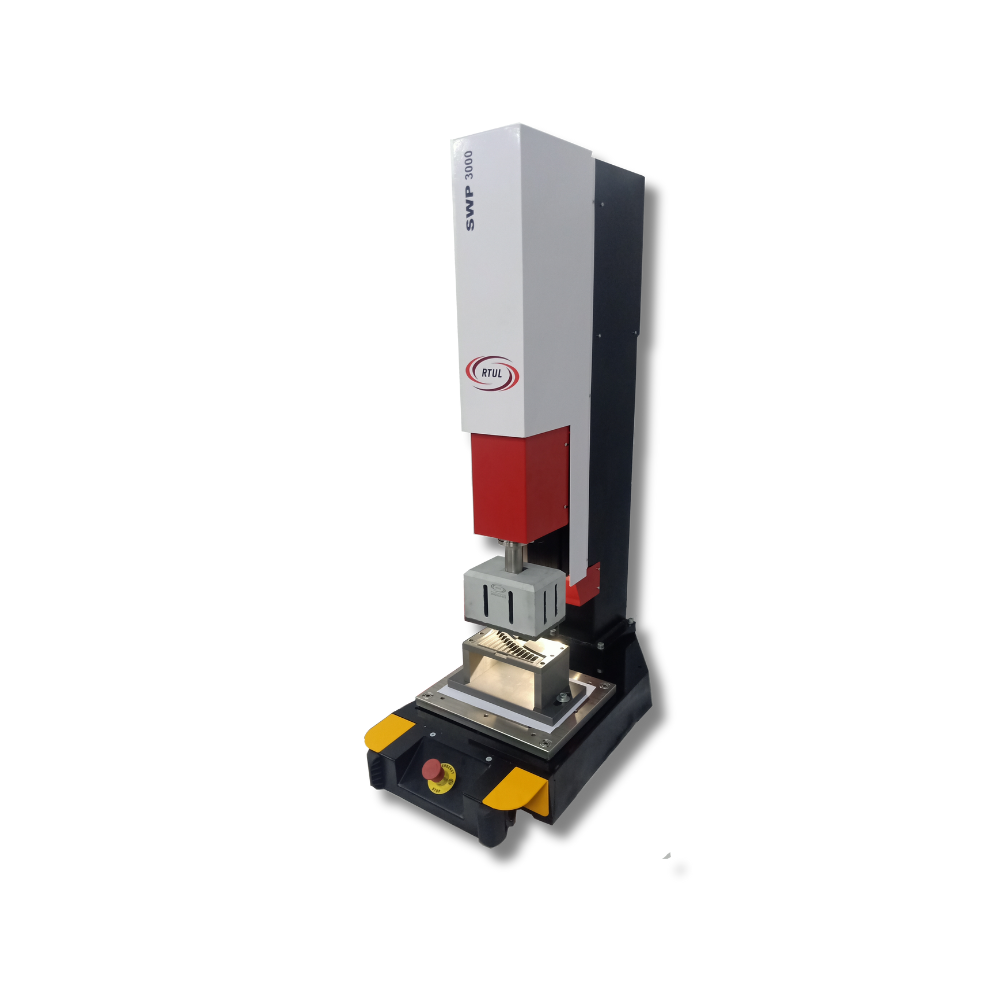
Every manufacturer knows that even small things may lead to significant financial losses. Delayed weld. Inefficient joint. Extra adhesive. Waste heat. Reworking. High energy rates. In that regard, an ultrasonic welding generator is essential for modern manufacturing since it is responsible for converting electrical energy into ultrasonic energy that will allow parts to be joined faster, cleaner, and in a consistent manner. The key point is that if one is to increase the speed of production an...

- Read More

Ultrasonic Welding Explained: How Ultrasonic Welders and Hand Welding Guns Work

Ultrasonic welding has become one of the most reliable methods for joining thermoplastics and certain metals without adhesives, fasteners, or excessive heat. Whether you are assembling automotive components, packaging materials, or electronic housings, understanding how ultrasonic welders work can help you choose the right equipment for your production line. This guide breaks down the science behind ultrasonic welding and explains how hand welding guns fit into modern manufacturing.   W...

- Read More

What is Ultrasonic Metal Welding? Benefits, Applications, and Industrial Uses

As manufacturing industries continue to evolve, the demand for stronger joints, faster production, and energy-efficient processes has never been greater. Conventional welding methods often involve excessive heat, filler materials, and longer processing times, which can impact product quality and increase operating costs. Ultrasonic Metal Welding offers a modern alternative. By using high-frequency ultrasonic vibrations and controlled pressure, it creates strong metallurgical bonds without mel...

- Read More

Why Automotive Manufacturers Are Choosing Ultrasonic Plastic Welding for Sensor Assembly

Modern vehicles rely on hundreds of sensors to enable safer driving, improved efficiency, and smarter decision-making. From Advanced Driver Assistance Systems (ADAS) and parking sensors to battery management systems and engine control modules, these components play a critical role in vehicle performance. As automotive electronics become more compact and sophisticated, manufacturers are under increasing pressure to produce sensor housings that are leak-proof, dimensionally accurate, and capabl...

- Read More

Everything You Need to Know About Ultrasonic Plastic Welding

Plastic Joining Has Changed As plastic components become more complex, manufacturers are expected to produce stronger, cleaner, and more reliable assemblies while reducing production costs and cycle times. Whether it’s an automotive sensor housing, a medical device, an electronic enclosure, or leak-proof packaging, today’s manufacturing environment demands joining technologies that deliver precision, consistency, and speed. Traditional joining methods such as adhesives, screws, solv...

- Read More

Not All Plastics Weld the Same: Understanding Material Compatibility in Ultrasonic Welding

A common question in plastic assembly is: "If two plastics melt at similar temperatures, can they be ultrasonically welded together?" The answer is not always. Ultrasonic welding creates bonds by generating localized heat through high-frequency vibrations. But successful welding depends on more than heat alone. The materials being joined must also be chemically compatible. Consider Polypropylene (PP) and Polyethylene (PE). Both are widely used thermoplastics with similar appearances and physi...

- Read More